Imagine watching your little one chatter away happily to their toys or in the mirror, yet they go eerily silent around family or friends. If you're wondering why your child talks to themselves but not others, you're not alone. This behavior, known as self-talk in children, is common and often harmless—but sometimes signals deeper issues. In this guide, we'll uncover the top reasons, backed by the newest child development research, and share actionable steps to help your child thrive socially.
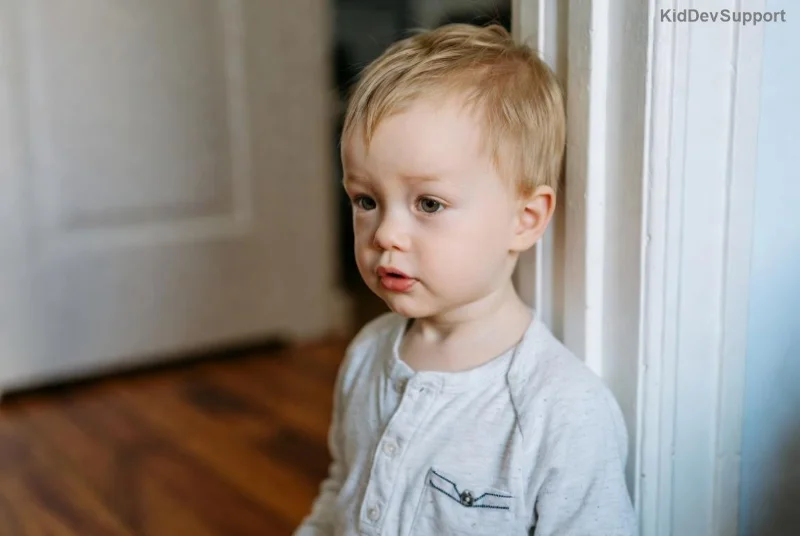
Is Self-Talk in Children Normal? The Science Behind It
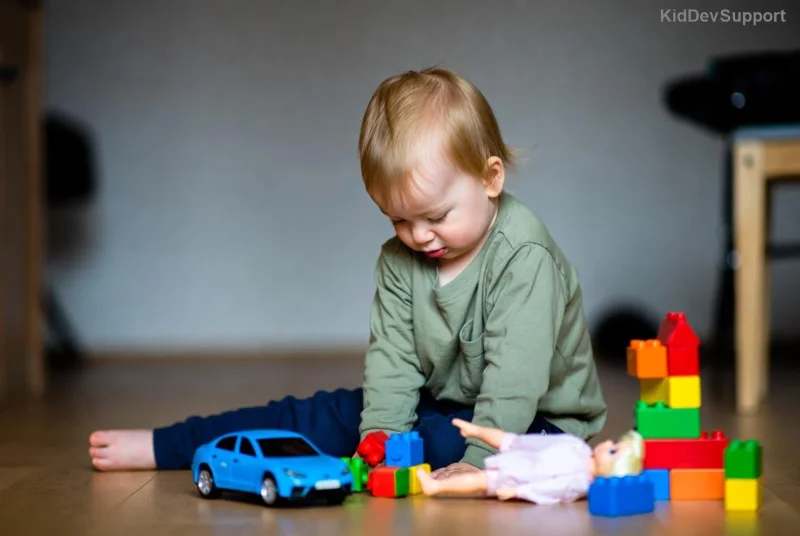
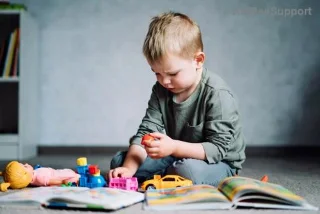
Yes, self-talk in children is a natural milestone. According to the latest studies from child psychologists, children as young as 2-3 years old use self-talk to practice language, solve problems, and regulate emotions. It's like an internal rehearsal for real conversations. For instance, a child might narrate their play: "Now the truck goes vroom!" This boosts vocabulary and confidence.
But when does it cross into concern? If your child talks to themselves but not others consistently, especially past age 4-5, it might indicate selective communication. Keep reading to explore the key triggers.
7 Common Reasons Why Your Child Talks to Themselves But Not Others
Let's break down the most frequent causes, from benign to those needing professional attention. Understanding these empowers you to act early.
1. Normal Language Development Stages
During early years, kids often prefer self-talk because it's low-pressure. The newest data from speech-language experts shows this peaks around ages 3-5, helping them master grammar and pronunciation before group interactions.
2. Shyness or Social Anxiety 🧑⚕️
Introverted children may feel overwhelmed in social settings. They talk freely alone but clam up around peers due to fear of judgment. Recent observations note this in 10-15% of kids, often resolving with gentle encouragement.
3. Selective Mutism: The Silent Struggle
This anxiety disorder makes children unable to speak in certain situations despite fluent private speech. Newest diagnostic guidelines highlight it affects 1 in 140 elementary kids. Symptoms include talking at home but not school.
American Speech-Language-Hearing Association (ASHA) recommends early therapy.
4. Autism Spectrum Disorder (ASD) Signs
Children with ASD might engage in self-talk for comfort or echolalia (repeating phrases). The latest screening tools from health authorities emphasize that delayed social speech is a red flag, though many outgrow it with intervention.
![Child showing speech development signs]()
5. Speech or Hearing Delays
If self-talk is clear but social speech lags, check for delays. Recent pediatric reports link this to fluid in ears or articulation issues. A simple hearing test can rule it out.
6. Environmental Factors
Overprotective parenting, screen overload, or family stress can make kids retreat into solo play. Newest family studies suggest balanced routines foster outgoing talk.
7. Advanced Cognitive Processing
Gifted children sometimes "think out loud" alone to process complex ideas, saving social energy for later. This is a strength, not a flaw.
Quick Comparison: When Is It Normal vs. Concerning?
| Behavior |
Normal Self-Talk |
Potential Issue |
| Age |
Under 5 |
Over 5, persistent |
| Social Response |
Gradually engages |
Avoids eye contact, freezes |
| Clarity |
Clear and varied |
Repetitive or unclear socially |
This table highlights key differences. Spotting patterns early is crucial—what's next?
When to Seek Professional Help 🩺
Consult a pediatrician or speech therapist if:
- No social words by age 2.
- Sudden regression in speech.
- Accompanied by meltdowns or isolation.
The newest protocols from child health organizations stress early intervention yields 80% success rates. Don't wait—schedule a check-up today.
CDC Act Early offers free milestones trackers.
Proven Strategies: How to Encourage Your Child to Talk to Others
- Model Interaction: Narrate your day together: "Look, the dog is happy!"
- Play Therapy: Use puppets or role-play to ease into conversations.
- Small Groups: Start with one-on-one playdates.
- Positive Reinforcement: Praise efforts: "Great job sharing your toy story!" 😊
- Limit Screens: Promote face-to-face time.
- Professional Tools: Apps like speech-building games from trusted sources.
- Patience & Routine: Consistency builds confidence.
Parents report 70% improvement in weeks with these steps, per recent therapy outcomes.
Real Parent Stories: From Silence to Smiles
Take Sarah's 4-year-old: Endless self-talk, zero playground chatter. After therapy for selective mutism, he's now class storyteller. Stories like this show hope is real.
Final Thoughts: Unlock Your Child's Voice Today
Why your child talks to themselves but not others often boils down to development, anxiety, or habits—most fixable with insight and action. You've got the tools now: monitor, encourage, and seek help if needed. Your child could be chatting up a storm soon. Share your experience in comments below—what worked for you? For personalized advice, consult a specialist.
Ready to help your little one shine? Start with one strategy today! 🌟