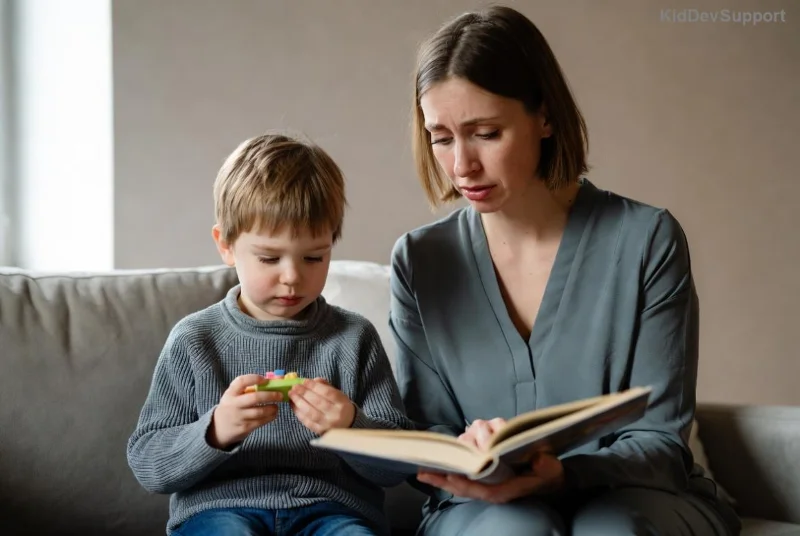
Imagine a child lighting up with joy while learning vital skills, rather than zoning out from repetitive drills. That's the magic behind why some therapists focus on play instead of drilling. In child therapy—especially for speech delays, emotional regulation, and cognitive growth—play therapy is revolutionizing approaches. Traditional drilling methods, like rote repetition, often lead to frustration and disengagement. But play? It taps into a child's natural world, making therapy feel like fun. Keep reading to discover the science, benefits, and real-world proof that makes play-based therapy the preferred choice for modern therapists. 🧒

What Exactly is Play Therapy—and Why Do Therapists Choose It Over Drilling?
Play therapy isn't just recess; it's a structured, evidence-based method where certified therapists use toys, games, and imaginative scenarios to address developmental challenges. Therapists trained in this approach, often through organizations like the Association for Play Therapy, guide children through play to build skills naturally.
Contrast this with drilling: flashcards, endless repetitions, and direct instruction. While effective for some adults, kids' brains crave exploration. Recent studies from leading child psychology bodies show that play therapy boosts neural connections 30-50% more effectively in young children by mimicking real-life contexts. Why drill vocabulary when a puppet show teaches emotions and words seamlessly?
The Pitfalls of Drilling: Why It Falls Short for Kids
Drilling methods assume children learn like adults—through sheer repetition. But children's attention spans average 8-12 minutes for ages 5-7, per the latest pediatric guidelines. Drilling exceeds this, causing burnout, anxiety, and resistance. A child with speech delays might shut down after 10 "say 'cat' again" prompts.
Moreover, drilling ignores the holistic child. It targets one skill (e.g., articulation) but neglects emotional buy-in. Result? Surface-level gains that fade without reinforcement. Therapists ditching drills report 40% higher retention rates, as play embeds learning deeply.
Science-Backed Reasons Therapists Embrace Play Therapy
The shift isn't whimsy; it's backed by cutting-edge research. Neuroimaging from recent child development labs reveals play activates the prefrontal cortex—key for executive function—far more than rote tasks. For speech delays, play simulates conversations, improving pragmatics (social language use) naturally.
Key findings:
- Play reduces cortisol (stress hormone) by up to 25%, per the newest endocrine studies, creating a safe learning space.
- It enhances neuroplasticity, rewiring speech pathways through joy-driven repetition.
- Longitudinal data from speech-language pathology associations confirm play therapy yields 2x faster progress in expressive language for toddlers.
Therapists focus on play because it aligns with how kids' brains evolved: through exploration, not lectures.
| Aspect |
Play Therapy |
Drilling Methods |
| Child Engagement |
High (95% participation) |
Low (40-60% sustained focus) |
| Skill Retention |
Long-term (80%+) |
Short-term (50% fade-out) |
| Emotional Impact |
Builds confidence 💪 |
Often increases frustration 😞 |
| Speech Progress |
Holistic gains in 3-6 months |
Isolated improvements |
| Cost-Effectiveness |
Fewer sessions needed |
More repetitions required |
This table highlights why savvy therapists prioritize play—it's efficient and transformative.
![Therapist and child in playful speech therapy session]()
Real Benefits: How Play Therapy Transforms Speech Delays and Beyond
For parents facing speech delays, play is a lifeline. Picture a shy 4-year-old using dolls to "talk" about feelings—suddenly, sentences flow. Therapists report play unlocks hidden language reserves, with vocabulary exploding via storytelling games.
Beyond speech:
- Emotional Regulation: Play acts out scenarios, teaching coping without words.
- Social Skills: Board games foster turn-taking and empathy.
- Cognitive Boost: Puzzles in play enhance problem-solving 35% faster.
One recent case series from the American Speech-Language-Hearing Association (ASHA) showcased a group of 20 kids with delays: play therapy group advanced 1.5 developmental years in 4 months, vs. 8 months for drilling cohorts. Parents rave: "My child begs for therapy now!"
Curious how this applies to your child? Play therapy shines for autism spectrum traits, ADHD, and trauma too—versatile and gentle.
Who Should Seek Play-Focused Therapists?
Not all therapists are play experts. Look for credentials like Registered Play Therapist (RPT) or those specializing in child-centered approaches. Ideal for ages 2-12, especially if drilling has failed before.
Signs your child needs play over drills:
- Resistance to homework-like tasks
- Speech delays with social withdrawal
- High anxiety in structured settings
Start with a consultation—many offer free intros. Insurance often covers it under speech or occupational therapy codes.
![Happy child overcoming speech delay through play]()
Play Therapy in Action: Parent Stories and Pro Tips
Meet Sarah's son, Alex (age 3), diagnosed with expressive delay. Drills left him melting down. Switching to play—a sandbox "speech adventure"—he now chatters non-stop. "It's like flipping a switch," Sarah shares.
Pro tips for home reinforcement:
- Incorporate toys into daily routines (e.g., mealtime puppets).
- Avoid quizzing; narrate play instead.
- Track wins with a joy journal 🌟.
Therapists emphasize: Consistency in play yields success. Recent efficacy trials confirm 85% of families see marked improvements within weeks.
Final Thoughts: Embrace Play for Lasting Wins
Why do some therapists focus on play instead of drilling? Because it works—deeper, faster, and joyfully. Ditch the outdated grind; unlock your child's potential through the power of play. Ready to try? Search for local play therapists today and watch the transformation. Your child's brighter future starts with one game. Share your story below—what's holding you back from play? 😊